Spec Battle: Sigma 17 40Mm F 1 8 Dc Art vs Leica Q3 Monochrom — Is It Worth Upgrading?
Photographers weighing whether to hold onto a versatile APS-C setup or move to a premium fixed-lens monochrome system face an unusual but increasingly common crossroads. The Sigma 17 40Mm F 1 8 Dc Art (hereafter "Sigma 17–40/1.8") represents a modern high-speed wide-to-standard zoom for crop-sensor bodies, while the Leica Q3 Monochrom (hereafter "Q3 Monochrom") is a compact, full-frame, fixed-focal-length camera optimized for black-and-white capture. This article compares the two from practical, real-world perspectives: image quality, handling, creative flexibility, and whether switching — or adding one to the kit — makes sense for different kinds of photographers.
Introduction: Two very different tools, one decision
On paper the comparison looks odd: a lens for interchangeable-lens cameras versus a complete premium monochrome camera. In practice the decision most buyers face is whether to continue investing in a flexible APS-C body with a high-performing zoom or to consolidate around a purpose-built monochrome compact that promises distinctive image character and simplified workflow. The trade-offs are practical rather than purely technical: system flexibility, low-light capability, file aesthetics, size and weight, and total cost of ownership.
Product profiles and design intent
Sigma 17 40Mm F 1 8 Dc Art — what it brings to the table
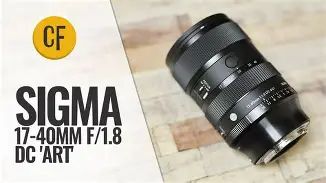
The Sigma 17–40/1.8 is positioned as a modern “Art” series zoom that prioritizes optical performance and a very fast constant aperture for crop-sensor systems. Its primary strengths are flexibility across a useful focal length range for everyday shooting, a shallow depth-of-field capability at wide apertures, and the ability to pair with a range of APS-C bodies to tackle travel, event, and documentary work without swapping lenses constantly.
Because the lens is designed for crop sensors (denoted by "DC"), it is aimed at photographers who want an all-purpose, high-quality zoom for a single body or as a general-purpose travel lens. Real-world buyers value its ability to cover wide to short-telephoto perspectives in a single piece of glass, combined with a bright aperture that helps in dim conditions and delivers pleasing subject isolation.
Leica Q3 Monochrom — a focused, purpose-built camera
The Q3 Monochrom is a different proposition: a premium compact camera with a full-frame monochrome sensor and a fixed wide-angle lens. Its fundamental design intent is to offer uncompromising black-and-white image quality, simplified controls, and a system that encourages decisive shooting. Buyers are typically attracted by the tonal depth, microcontrast, and low-light advantages that come from a sensor without a color filter array. The single-lens design simplifies composition and often prompts a more deliberate photographic approach.
In real-world use, owners of monochrome cameras cite faster post-processing, superior apparent sharpness, and a unique aesthetic that can be difficult to replicate reliably with color sensors through conversion alone. The Q3 Monochrom caters to photographers who prioritize image craft and workflow speed over lens interchangeability.
Detailed analysis: image quality, handling, and workflow
Image quality and sensor considerations
Comparing image outcomes requires separating the lens from the camera body. The Sigma 17–40/1.8 can produce excellent sharpness and bokeh on an APS-C body, especially at its wide aperture settings. However, image quality is also tied to the sensor behind it: a modern high-resolution APS-C sensor performs well, but it cannot replicate the tonal and noise characteristics of a full-frame monochrome sensor.
The Q3 Monochrom's sensor, purpose-built for luminance capture, typically yields finer microcontrast and cleaner high-ISO performance for black-and-white images because of the absence of a Bayer color filter array. Practically, that translates to richer midtone separation, more detail in shadows at high ISOs, and a rendering of textures that many find particularly pleasing for street, documentary, and portraiture work in monochrome.
Focal length and compositional impact
The Sigma zoom covers wide to short-telephoto on APS-C, giving the photographer compositional flexibility from environmental wide-angle scenes to tighter portraits without changing lenses. On the Q3 Monochrom the fixed wide-angle focal length encourages a certain style: immersive, environmental frames and candid street captures. For photographers who prize variety in framing on a single outing, a zoom like the Sigma is highly practical. For those who enjoy the creative constraint of a single focal length and the compositional discipline it breeds, the Q3 Monochrom's lens becomes an asset.
Autofocus, speed, and shooting experience
Autofocus performance depends on the camera body paired with the Sigma lens. Modern mirrorless APS-C bodies deliver quick and accurate AF with contemporary Sigma optics, supporting subject tracking and fast burst rates. The overall shooting speed may be influenced by the body-lens combination (AF system, buffer, and stabilization).
Discover deals on Cameras & Photography — updated daily.
Browse Now →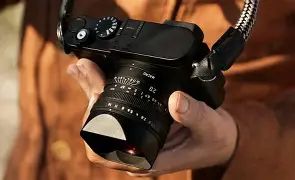
The Q3 Monochrom, as a premium compact, typically offers refined AF and snappy handling tuned to photographers who favor quick, single-handed operation. The simplicity of not swapping lenses and the tactile controls can translate to faster capture in street and editorial contexts.
Workflow and post-processing
With the Sigma-equipped APS-C setup, typical workflows involve color RAW files and standard color editing pipelines. Converting to black-and-white is straightforward, but achieving the nuanced tones and microcontrast native to a monochrome sensor often requires additional processing effort.
The Q3 Monochrom produces monochrome RAW files that frequently need less conversion work to reach a finished look. Photographers who prioritize a streamlined monochrome workflow appreciate the directness of files from the camera — fewer steps between capture and output.
Pros & Cons
Sigma 17 40Mm F 1 8 Dc Art
- Pros:
- Versatile focal range for travel and everyday shooting
- Very fast constant aperture for shallow depth-of-field and low-light use
- One-lens solution reduces need for frequent lens changes
- Compatible with a wide range of APS-C bodies — system flexibility
- Cons:
- Optical performance ultimately limited by the camera sensor and system
- On APS-C, limited field of view compared to full-frame wide-angle primes
- Still requires an APS-C body; adds bulk compared with a compact camera
- Color workflow typical; replicating genuine monochrome character requires processing
Leica Q3 Monochrom
- Pros:
- Monochrome sensor delivers exceptional tonal gradation and low-light detail
- Integrated lens and body create a compact, high-quality package
- Streamlined monochrome workflow — files closer to finished look out of camera
- High build quality and tactile controls encourage decisive shooting
- Cons:
- Fixed focal length limits compositional flexibility; requires movement to change framing
- Significant cost compared to adding a lens to an existing kit (consider total system investment)
- Monochrome-only capture may restrict use cases for photographers who still need color
- Vendor lock-in to a single-lens experience — cannot adapt optics for specialized tasks
Comparison table
| Category | Sigma 17 40Mm F 1 8 Dc Art | Leica Q3 Monochrom |
|---|---|---|
| Type | Interchangeable zoom lens for APS-C ("DC") bodies | Compact fixed-lens camera with full-frame monochrome sensor |
| Primary strength | Focal length versatility and wide aperture across range | Dedicated monochrome image quality and simplified workflow |
| Focal length | 17–40mm (APS-C field of view; wide-to-standard range) | Single wide-angle focal length (designed for full-frame composition) |
| Aperture | Constant wide aperture (f/1.8) for shallow depth-of-field | Fast prime aperture on integrated lens (optimized for sharpness) |
| System flexibility | High — works with compatible bodies and other lenses | Low — single optical formula built into camera |
| Ideal for | Travel, events, run-and-gun documentary, general-purpose shooting | Street, portrait, fine-art monochrome, low-light decisive-moment work |
| Workflow | Color RAW with optional conversion to black-and-white | Monochrome RAW natively, less conversion needed |
| Portability | Depends on body; generally lighter than full multi-lens kits | Very compact single-package solution |
| Price (relative) | Moderate for high-quality zoom lens; depends on body cost | High — premium camera-grade investment |
Real-world use cases: who benefits from what
Practical decision-making comes down to how a photographer shoots and what they want from images.
- Travel and documentary photographers: The Sigma 17–40/1.8 is attractive for those who need variety without lugging multiple lenses. Its zoom range covers landscapes, street scenes, and small-group portraits. When paired with a modern APS-C body that has good AF and stabilization, it becomes a reliable do-it-all tool on assignments or trips.
- Street and fine-art monochrome photographers: The Q3 Monochrom is compelling for photographers who want the distinct look of a monochrome sensor and who prefer a compact camera that encourages decisive shooting. The single-lens design fosters a personal style and often yields superior black-and-white tonality compared with conversions.
- Event photographers: For events where color is still required, the Sigma on a capable camera body offers flexibility and faster adaptation to varied scenes. The Q3 Monochrom is less appropriate if clients expect color deliverables.
- Portrait and environmental portraiture: The Sigma's focal range and wide aperture can produce pleasing backgrounds and subject separation, particularly on crop bodies where the effective reach extends toward short telephoto. The Q3 Monochrom excels in intimate portraits where mood and texture matter more than focal length variety.
Buying guide: deciding whether to upgrade
Rather than asking whether one product is objectively "better," photographers should ask specific, practical questions. The following checklist helps frame the upgrade decision.
1. What are the primary subject types?
If the majority of work requires color output, sports, or telephoto reach, an interchangeable-lens kit with the Sigma zoom is the more versatile and cost-effective route. If the body of work is predominantly monochrome portraiture, street, or fine-art, the Q3 Monochrom's native files may deliver more creative value per shot.
2. Does simplicity matter?
Photographers who prefer a compact, single-package approach and who enjoy the discipline of a fixed focal length will find the Q3 Monochrom attractive. Those who rely on lens swaps to solve photographic problems will miss the Sigma's flexibility.
3. How important is low-light performance?
Both tools are capable in dim light thanks to fast apertures and modern sensor technology. For black-and-white work at very high ISOs, a monochrome full-frame sensor typically holds an advantage in tonality and usable detail. For general low-light color work, a fast APS-C body plus the Sigma remains an excellent combination.
4. Budget and total cost of ownership
Consider total system cost. Buying a Q3 Monochrom often means investing in a high-end camera unit; buying the Sigma lens may be a smaller incremental expense if an APS-C body is already owned. Factor in resale values, lens ecosystem needs, and any required accessories.
Find top-rated Cameras & Photography products at great prices.
Shop Amazon →5. Workflow and post processing
Time-pressed photographers and those who prefer minimal editing may prefer the Q3 Monochrom. Photographers who enjoy tuning color-to-BW conversions and batch workflows might find the Sigma system more adaptable.
6. Future-proofing and expandability
An interchangeable-lens system allows expansion: additional lenses, flashes, and system accessories. The single-lens Q3 Monochrom locks the shooter into one optical character, which is desirable for some and restricting for others.
Practical scenarios: sample recommendations
To make the decision concrete, here are pragmatic recommendations for common photographer profiles.
- Hobbyist who shoots family, travel, and occasional street: Keep the APS-C body and Sigma 17–40/1.8. It covers most needs without committing to a high-cost, monochrome-only camera.
- Working photographer doing editorial black-and-white assignments: Consider the Q3 Monochrom for its efficient workflow and distinctive tonal rendering. Use it as a primary tool for monochrome assignments and maintain a color-capable backup for client work.
- Enthusiast seeking to refine a personal fine-art style: If monochrome is central to the vision, the Q3 Monochrom is worth trying — renting or borrowing first is advisable because the fixed focal length will shape the photographer's approach.
- Event or wedding photographer: Stick with an interchangeable-lens system and a robust backup plan. The Sigma offers practical advantages for coverage and flexibility.
Final considerations before purchasing
Several non-image factors influence satisfaction after purchase: ergonomics, menu systems, battery life, service and support, and how a tool integrates with a photographer's existing kit. Try both in real shooting situations whenever possible. Renting the Q3 Monochrom for a weekend of intentional monochrome shooting or borrowing the Sigma 17–40/1.8 to test on a preferred APS-C body will expose whether the creative benefits align with expectations.
One additional practical note: shooting with a monochrome camera changes how subjects, light, and contrast are perceived during capture. For some, the instant feedback and refined tonality unlock new creative directions that justify the cost; for others, the flexibility and range of a fast zoom remain indispensable.
Conclusion
Upgrading from a Sigma 17 40Mm F 1 8 Dc Art paired with an APS-C camera to a Leica Q3 Monochrom is not a straightforward "better or worse" decision — it is a shift in photographic philosophy. The Sigma offers flexibility, focal-length control, and broad applicability; the Q3 Monochrom offers unmatched native monochrome image quality, a focused shooting experience, and a streamlined workflow for black-and-white work. For photographers whose priorities center on system versatility, color work, or events, keeping the Sigma-equipped setup is the sensible choice. For photographers dedicated to monochrome aesthetics, who prize tonal subtlety and an efficient, decisive shooting style, the Q3 Monochrom can be a transformative upgrade.
Ultimately the best path is the one that aligns with creative goals and practical shooting habits: if the new tool changes how one sees and makes images in a way that matters, it is likely worth the investment; if it merely represents a variation of existing capabilities, sticking with the current, more flexible kit is a prudent decision.