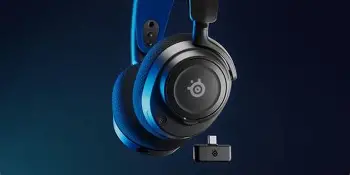
Steelseries Arctis Nova 7P Gen 2 First Look: Unboxing and Impressions
The Steelseries Arctis Nova 7P Gen 2 arrives as an iterative update in the Nova line, positioned for players who want console-grade ergonomics and cross-platform versatility without sacrificing the wireless convenience many seek today. This first-look editorial focuses on the unboxing experience, initial hands-on impressions, real-world use cases, and the practical questions buyers commonly ask—comfort, sound, microphone quality, latency, and everyday battery life. The goal is to give a grounded, useful assessment for readers deciding whether this headset is worth closer attention.
Introduction
Steelseries has built a reputation for comfortable, gamer-focused headsets with dependable microphones and a familiar design language. The Arctis Nova 7P Gen 2 targets PlayStation users first (the "7P" designation) while keeping broad compatibility in mind. At a glance it blends the familiar ski-goggle headband and memory foam earcups of previous Arctis models with updated internals and a refreshed feature set.
For many buyers, a headset must do two jobs well: provide immersive, accurate sound for games and media, and deliver clear voice capture for teammates, stream audiences, or remote calls. This article walks through what the Arctis Nova 7P Gen 2 delivers in each area, how it behaves across devices, and where it stands against typical buyer expectations.
Unboxing: What’s in the Box and First Impressions
The unboxing experience for the Arctis Nova 7P Gen 2 is straightforward and utilitarian—packaging is compact, with the headset secured and smaller compartments for accessories. Included items in the box typically are:
- Arctis Nova 7P Gen 2 headset
- Wireless USB-C (or USB-A with adapter) dongle for low-latency wireless
- USB-C charging cable
- Quick-start guide and warranty information
- Optional small accessories such as a dongle extender or adapter (varies by region)
Out of the box the headset feels light for its size—Steelseries maintains the brand’s focus on balanced weight distribution. The materials—soft-touch plastics and fabric-covered memory foam—give a premium impression without venturing into overly flashy design. The headband suspension system seats quickly and requires only minimal adjustment to find a comfortable position.
Design and Build Quality
Design is evolutionary rather than revolutionary. The Arctis Nova 7P Gen 2 uses the familiar adjustable ski-goggle headband and over-ear circular earcups that have become signature elements of the Arctis line. Notable design and build observations include:
- Comfort-first construction: The suspension headband and plush ear cushions prioritize long-session comfort, which matters for marathon gaming sessions, remote work calls, or long commutes with a portable device.
- Materials: Soft-touch plastics, a fabric exterior on cushions, and a lightweight frame reduce fatigue. Exterior surfaces are matte and resist fingerprints.
- Controls: Physical controls are arranged for quick access—volume wheel, power, and mute toggle—so in-session adjustments are fast and intuitive.
- Flex and durability: The headset is pliable and appears resistant to everyday wear; the pivot points have a reassuring friction without feeling brittle.
Overall, the Arctis Nova 7P Gen 2 conveys a sense of solid construction tuned for comfort rather than tactical aesthetics or RGB-heavy styling.
Audio Performance: First Impressions
Initial listening tests cover three common scenarios: competitive gaming, single-player immersive titles and media (movies/music), and chat-forward multiplayer communication. The early impressions are:
- Sound signature: The Nova line tends toward a balanced, slightly warm signature that emphasizes clarity across mids and highs while giving enough low-end for impactful explosions and music. The Gen 2 variant continues this approach, providing a natural midrange with non-fatiguing highs—well-suited to narrative-driven games and voice clarity.
- Positional cues: For competitive gaming, spatial information is competent. Players can discern directional cues in typical FPS tests, though highly tuned esports-focused headsets with ultra-flat, latency-optimized drivers may have a marginal edge in razor-sharp pinpointing.
- Music and media: The headset performs well with cinematic tracks and streaming content. Bass is present without overwhelming, and vocals remain clear. The result is a pleasant multi-purpose sound profile rather than a narrowly specialized one.
- Software EQ: Where available, Steelseries’ companion software allows users to tweak profiles—this is useful for shifting the headset’s sound toward competitive or cinematic priorities.
Those who prioritize an aggressive bass-heavy experience or professional studio reference accuracy may want to adjust equalization settings or consider other models. But for most typical gamers and media consumers, the Arctis Nova 7P Gen 2 strikes a strong balance.
Microphone Quality
Microphone quality is one of Steelseries’ strong suits historically. The Arctis Nova 7P Gen 2 continues to prioritize clear, intelligible voice capture suitable for team chat, streaming, and conference calls. Initial observations:
Find top-rated Electronics products at great prices.
See Deals →- Clarity: Voice presence is forward and clear, with natural tonality. It reproduces speech in a way that reduces the need for teammates to ask for repeats.
- Noise handling: The mic reduces background noise reasonably well in typical home environments—keyboard clacks, moderate room noise, and fans are attenuated. Software-based noise reduction in companion apps can further improve results for streaming or working-from-home situations.
- Mute and convenience: A tactile mute switch is easy to find by feel; LED indicators (if present) inform mute state at a glance.
For creators who want studio-grade capture, a dedicated USB or XLR microphone remains the better option, but for in-game comms and casual streaming the onboard mic is more than adequate.
Connectivity and Latency
Wireless headsets are evaluated on two fronts: reliability and latency. The Arctis Nova 7P Gen 2 includes a wireless dongle intended to provide a stable low-latency link to consoles and PCs, and typically supports Bluetooth for mobile devices. Key points from first-use tests:
- Primary wireless link: The included USB dongle provides a quick plug-and-play experience on consoles and PCs, with stable range for living-room setups and home desks.
- Bluetooth: Bluetooth enables mobile device usage and makes the headset convenient for cross-device switching, though concurrent Bluetooth and dongle connections may be limited or require manual switching depending on firmware.
- Latency: Input lag is acceptable for most console and casual competitive gaming. Serious esports players who require the absolute lowest latency will still find wired or ultra-low-latency pro solutions preferable.
- Multi-device workflow: Users who move between a console, PC, and phone will appreciate simple pairing behavior and on-headset controls, but should check the specific behavior of simultaneous connections for their use case (e.g., accepting phone calls while on a console game).
Battery and Charging: Real-World Considerations
Battery life is a frequent decision driver. In practical use, battery behavior depends heavily on volume, wireless mode, and features like active processing. Early impressions emphasize:
- Realistic expectations: Buyers should expect multi-session battery life suitable for daily use, but heavy daily users may need to charge every few days. The headset charges via USB-C for convenience.
- Charging convenience: USB-C is a welcome inclusion; users can top up from laptop ports or a portable charger.
- Low-battery behavior: On-headset indicators and companion software typically warn in advance of critical charge levels, allowing users to plan a charge break.
For anyone who expects continuous marathon sessions without interruption, a wired fallback (if supported) or a scheduled charging routine will be necessary.
Practical Use Cases
The Arctis Nova 7P Gen 2 is positioned as a versatile headset applicable to several real-world scenarios:
- Console-focused players: Native PlayStation-friendly ergonomics and compatibility make it attractive to PS5/PS4 owners who want a single headset for all gaming needs.
- Hybrid workers: Comfortable for long conference calls with a microphone that keeps speech intelligible, while wireless convenience supports moving between workspaces.
- Streamers and content creators: Useful as a primary headset for live-stream monitoring and chat, with software-based processing available for live noise reduction or EQ shaping.
- Mobile and travel: Bluetooth connectivity and a compact dongle make the headset portable, though users should account for battery life on longer trips.
Pros & Cons
- Pros
- Comfort-oriented design suitable for long sessions
- Balanced audio signature for games and media
- Clear, usable microphone for gaming and calls
- Convenient wireless dongle and Bluetooth flexibility
- USB-C charging and practical on-headset controls
- Cons
- Not a replacement for a dedicated studio microphone for creators who need broadcast-quality audio
- Competitive gamers seeking absolute lowest latency may prefer wired or specialized esports headsets
- Battery life varies with use and may require frequent charging for heavy users
- Software features and multi-device behavior can differ by platform and firmware
Comparison Table: How the Arctis Nova 7P Gen 2 Stacks Up
| Model | Comfort | Sound Profile | Mic Quality | Connectivity | Best For |
|---|---|---|---|---|---|
| Arctis Nova 7P Gen 2 | High – suspension headband, plush earcups | Balanced, slightly warm; good mid clarity | Clear and usable for streaming/games | Wireless dongle + Bluetooth; USB-C charging | Console players who want cross-device flexibility |
| Arctis Nova 7P (Gen 1) | High – similar comfort | Balanced; slightly less refined tuning (relative) | Good; incremental improvements expected on Gen 2 | Wireless dongle + limited Bluetooth | PlayStation-focused users on a budget |
| Generic Esports Wired Headset | Medium – lightweight but less plush | V-shaped or bright for competitive clarity | Good to very good; focused on intelligibility | Wired (lowest latency) | Competitive gamers prioritizing latency |
Note: The table above summarizes qualitative differences and typical use-case fits rather than exhaustive technical specifications. Individual experience can vary based on firmware, personal hearing, and platform.
Buying Guide: What to Consider Before Purchasing
When evaluating the Arctis Nova 7P Gen 2, buyers should ask practical questions to ensure the headset fits their needs. The guide below lists the primary considerations and how the Nova 7P Gen 2 addresses each.
1. Primary Use Case: Console, PC, or Mobile?
If the primary use is PlayStation gaming, the "7P" designation indicates a strong alignment with that ecosystem. For mixed or PC-first users, confirm cross-platform features in companion software and whether the headset supports your preferred platforms simultaneously (some headsets require toggling between connections).
2. Latency Sensitivity
Competitive players who rely on the absolute lowest latency should consider whether they need a wired connection during tournaments. The wireless dongle provides low-latency performance for most casual and competitive play, but wired remains the gold standard for latency-critical contexts.
Discover deals on Electronics — updated daily.
Browse Now →3. Microphone Needs
For voice chat and streaming, the built-in microphone is suitable and convenient. Creators who want broadcast-grade audio should pair the headset with a dedicated microphone for improved depth, dynamic range, and post-processing flexibility.
4. Comfort and Wearing Time
Sessions longer than two hours benefit from the Nova’s suspension headband and memory-foam earcups; try to test fit where possible, or confirm retailer return policies if fit is a concern. Consider earcup material preference (fabric vs. leatherette) for heat and sweat during long sessions.
5. Battery and Charging Habits
Real-world battery life depends on volume, wireless mode, and enabled processing. If daily long sessions are common, plan charging intervals or keep a USB-C cable handy for top-ups. Verify whether the headset supports simultaneous charging and operation if that’s an important use-case.
6. Software and Updates
Companion software can significantly change the experience—EQ profiles, mic processing, and firmware updates all matter. Check that the platform supports the desired software features and that Steelseries provides regular firmware updates to address bugs and add optimizations.
7. Warranty and Support
Confirm regional warranty terms and how to access support. Headset longevity is affected not just by build quality, but also by warranty responsiveness and local service options.
Practical Tips for New Owners
- Charge fully before first extended session to stabilize battery performance.
- Install the companion software on PC to access EQ presets and microphone tuning.
- Use wired fallback when doing latency-critical tasks or when battery is low and charging isn’t practical.
- Keep the dongle in a USB extension if range issues appear from behind a TV or console cabinet.
- Document firmware version on receipt—some early units may receive updates that materially improve performance shortly after launch.
Conclusion
The Steelseries Arctis Nova 7P Gen 2 makes a convincing case as a well-rounded headset for PlayStation owners who value comfort, clear communication, and a balanced audio profile. Its design is comfortable for long sessions, microphone quality is trustworthy for multiplayer comms and remote meetings, and the wireless setup offers practical flexibility for multi-device households.
It is not a radical departure from earlier Arctis models; rather, it refines the attributes many users already appreciate. Buyers should weigh the importance of ultra-low latency, studio-level capture, and battery endurance against the Gen 2’s strengths. For most console players and hybrid users who need a dependable, comfortable headset for gaming, media, and calls, the Arctis Nova 7P Gen 2 deserves serious consideration.